URGENT STRUCTURAL EVALUATION
LEANING OR BULGING WALL?
HERE'S WHAT TO DO
Retaining wall repair addresses structural failure in an existing wall - leaning, bulging, cracking, or shifted blocks - while replacement involves fully rebuilding when damage is too extensive. We evaluate each failing wall individually to determine which approach applies.
No-obligation site assessment - Expert recommendations
Self-Diagnosis
IDENTIFY THE FAILURE
A failing retaining wall leaves physical evidence long before a total collapse. Compare your wall's symptoms to these critical warning signs.
CROSS-SECTION 01
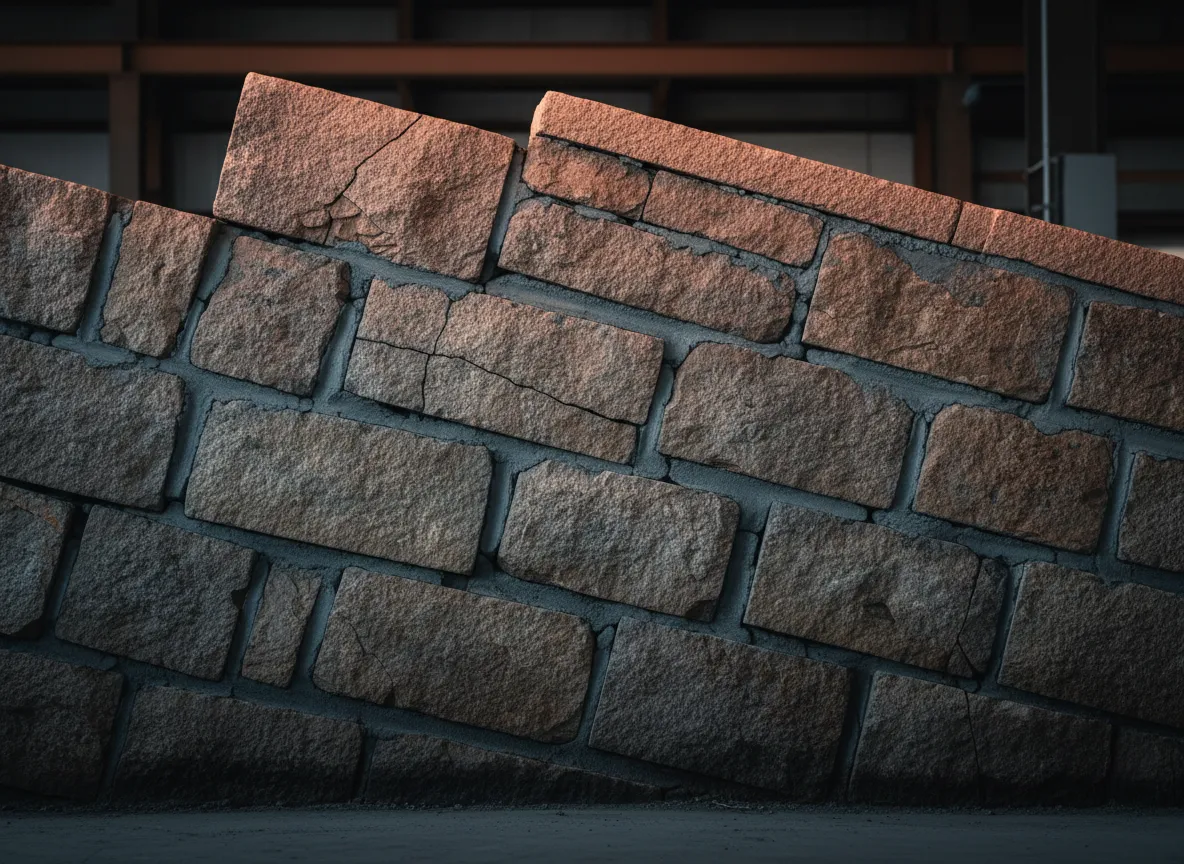
FORWARD LEANING
The entire structure tilts outward from the top. The base may remain stationary, but retained soil pressure is forcefully pushing the upper courses forward over time.
CROSS-SECTION 02
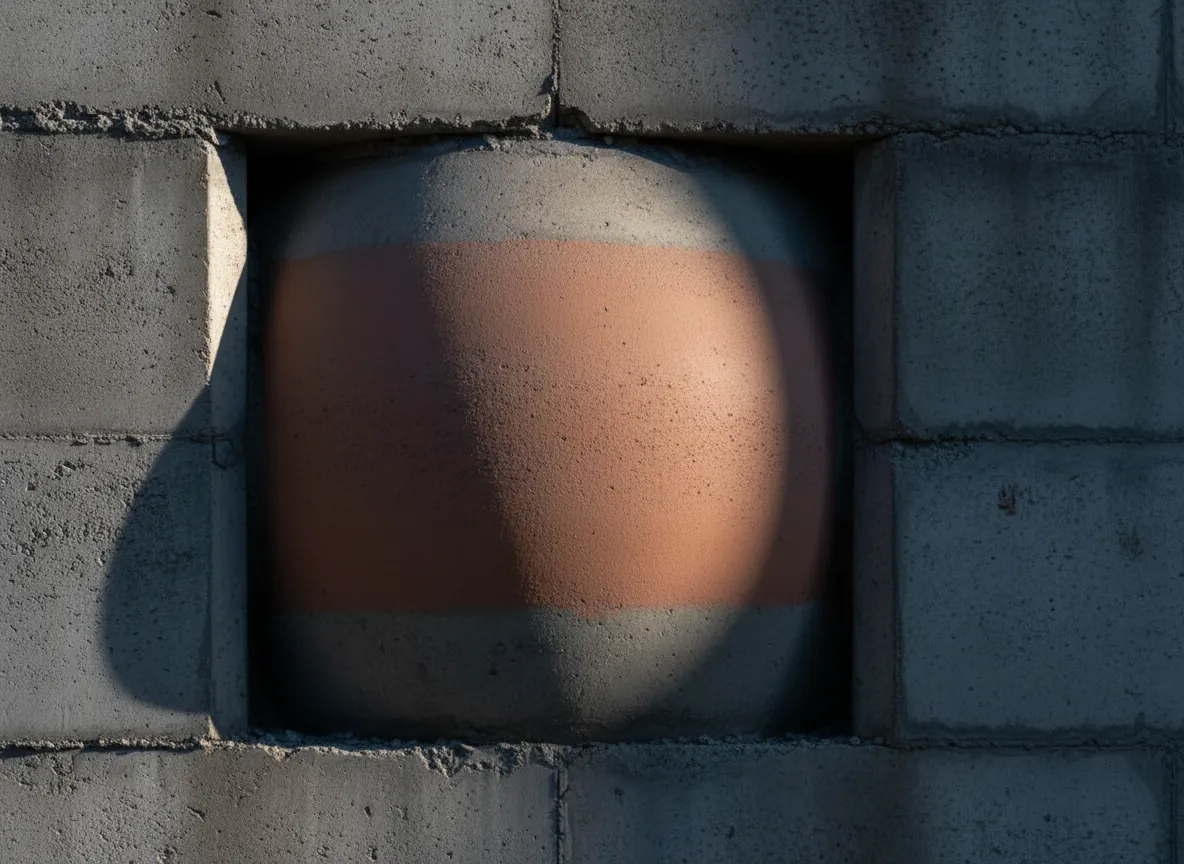
CENTER BULGING
The top and bottom anchor points hold firm, but the mid-section bows outward. This indicates highly concentrated hydrostatic stress overwhelming the middle courses.
CROSS-SECTION 03
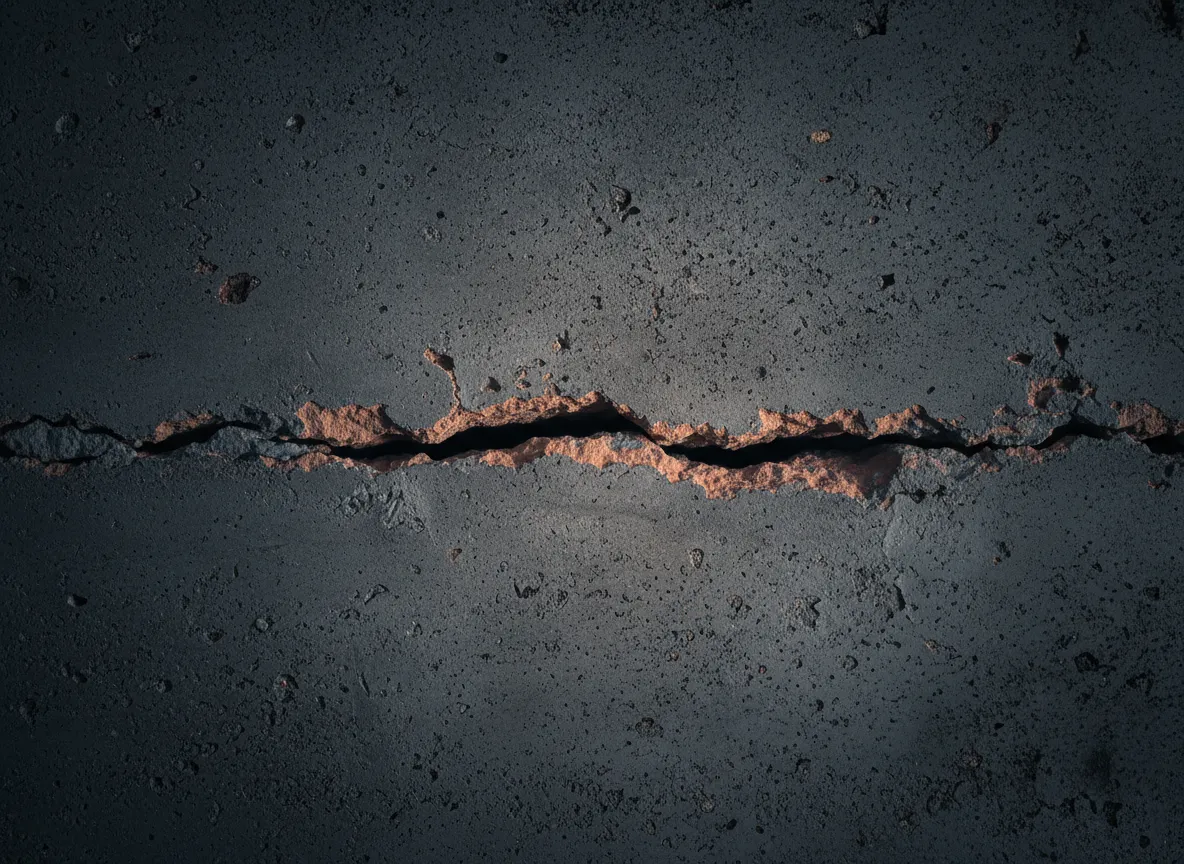
CRACKED BLOCKS
Visible vertical or jagged fractures through the block face or mortar lines. This reveals extreme internal shear forces tearing the rigid masonry apart.
CROSS-SECTION 04
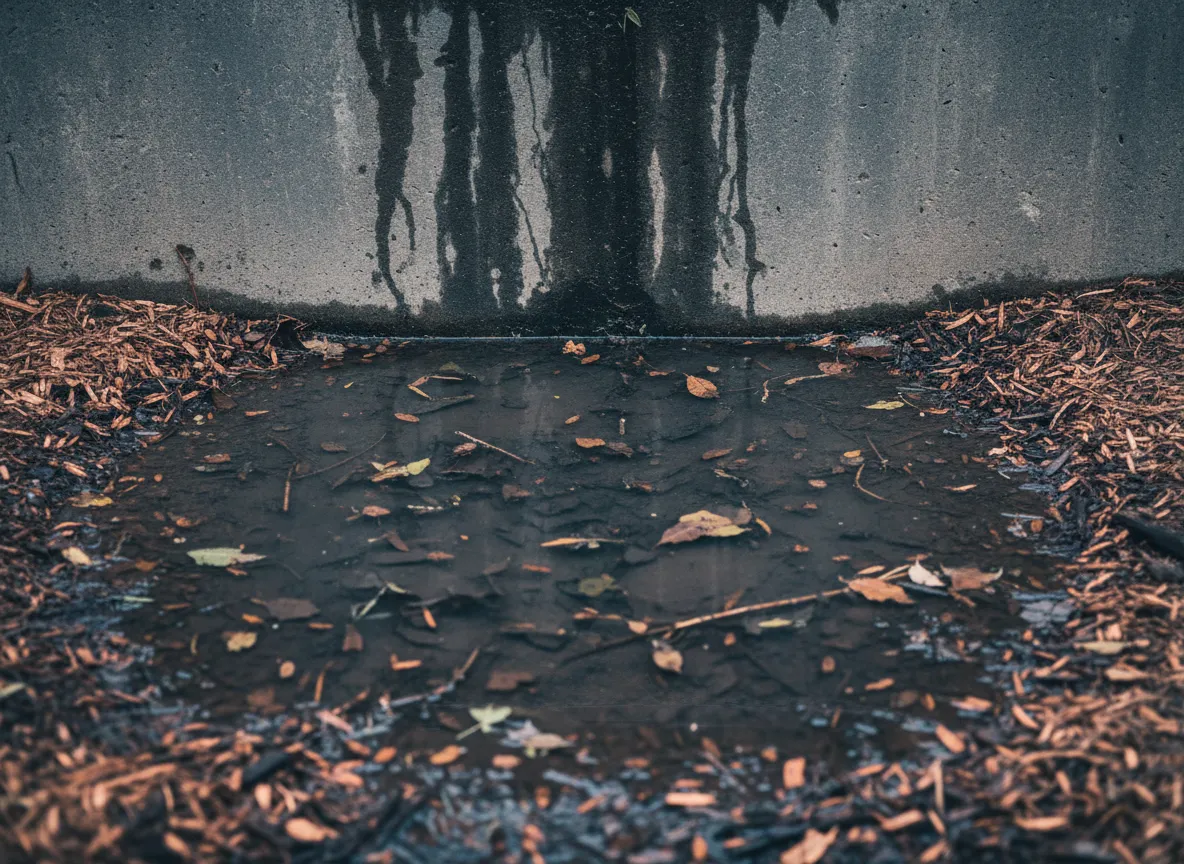
POOLING WATER
Standing water accumulating at the immediate base long after rainfall. This confirms internal weep holes and base drainage channels are severely compromised.
EVALUATION CRITERIA
REPAIR OR REPLACE?
WHEN TO REPAIR
A wall that is leaning but still structurally intact behind the face can sometimes be corrected without full replacement. If the base remains solid, partial repair is viable.
- Localized settling or minor shifting
- Base foundation remains solid
- Structurally intact behind the face
- Drainage system functioning partially
WHEN TO REPLACE
A wall that is already bulging outward usually means the base or backfill has shifted enough that partial repair will not hold. The underlying issue must be excavated.
- Widespread outward bulging
- Base or backfill has shifted completely
- Complete drainage failure behind wall
- Cannot be stabilized from the surface
HYDROSTATIC PRESSURE
THE HIDDEN CAUSE
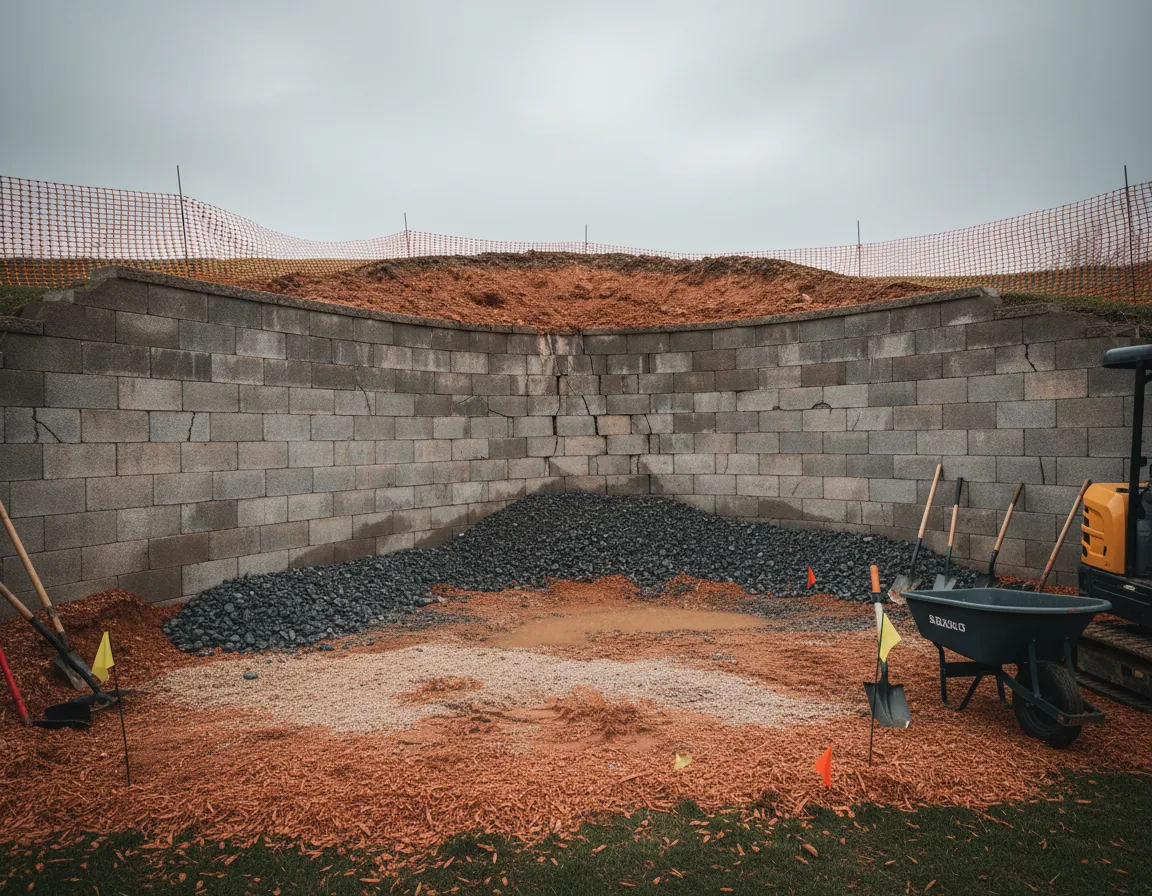
WEIGHT OF WATER
A retaining wall isn't just holding back dirt—it's fighting water. When a wall lacks proper drainage, groundwater accumulates behind the blocks, creating massive hydrostatic pressure. This immense weight pushes outward, causing the wall to lean, bulge, or eventually collapse under the strain.
ENGINEERED BACKFILL
Rebuilding the face of a wall without addressing what's behind it guarantees another failure. Proper restoration requires excavating the compromised zone and installing engineered backfill with commercial-grade drainage systems to route water away from the structure permanently.
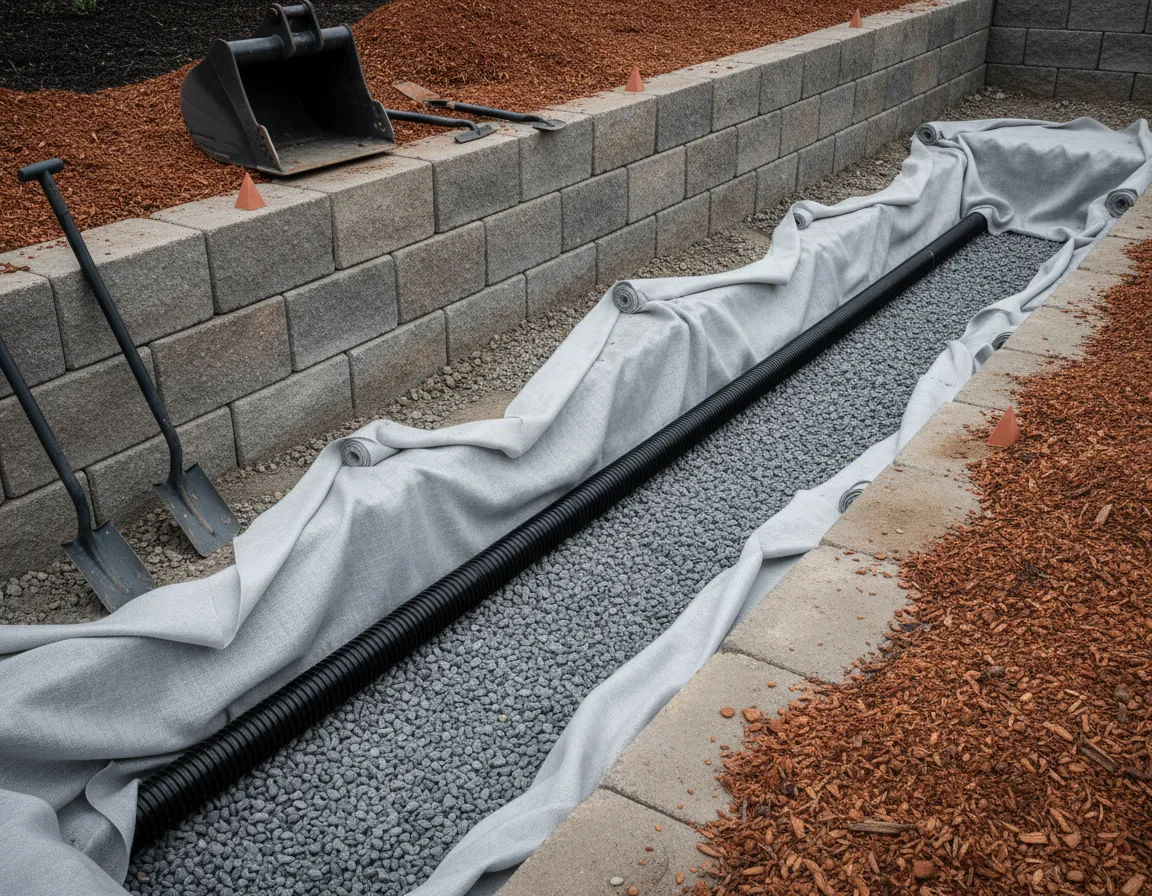
PROVEN TRANSFORMATIONS
STRUCTURAL INTEGRITY
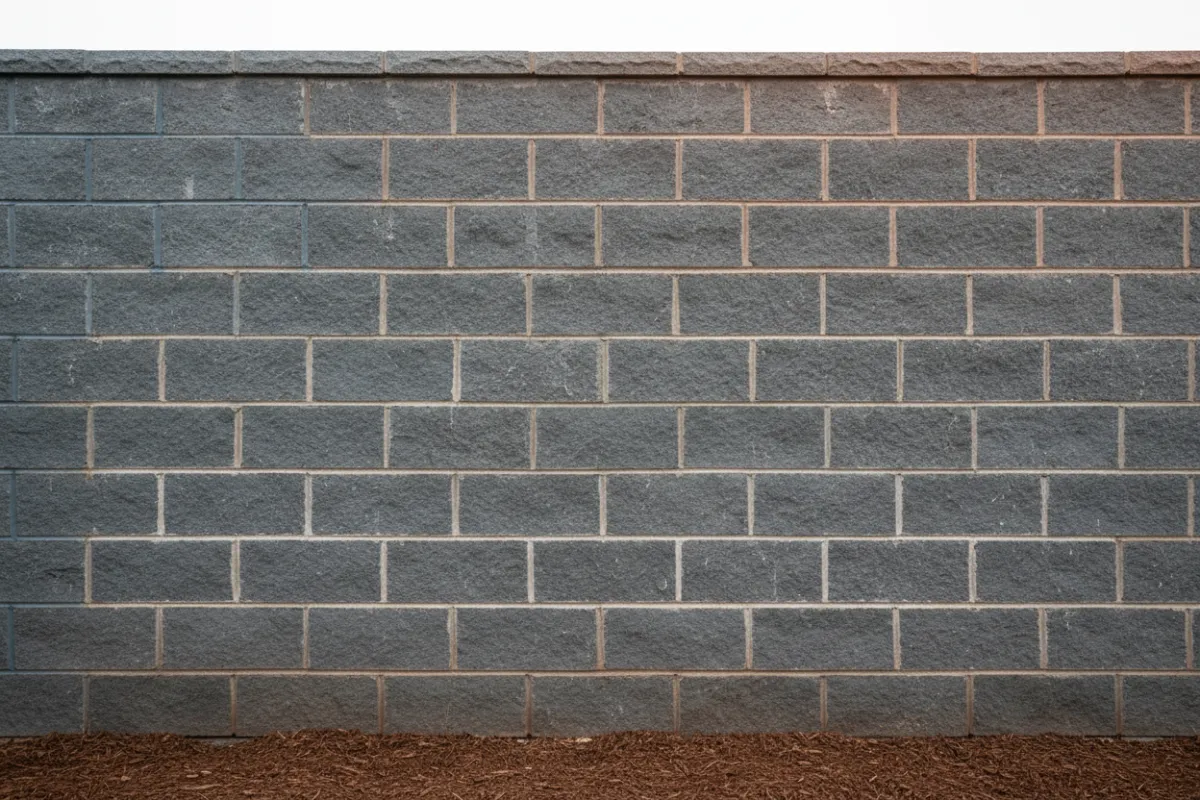
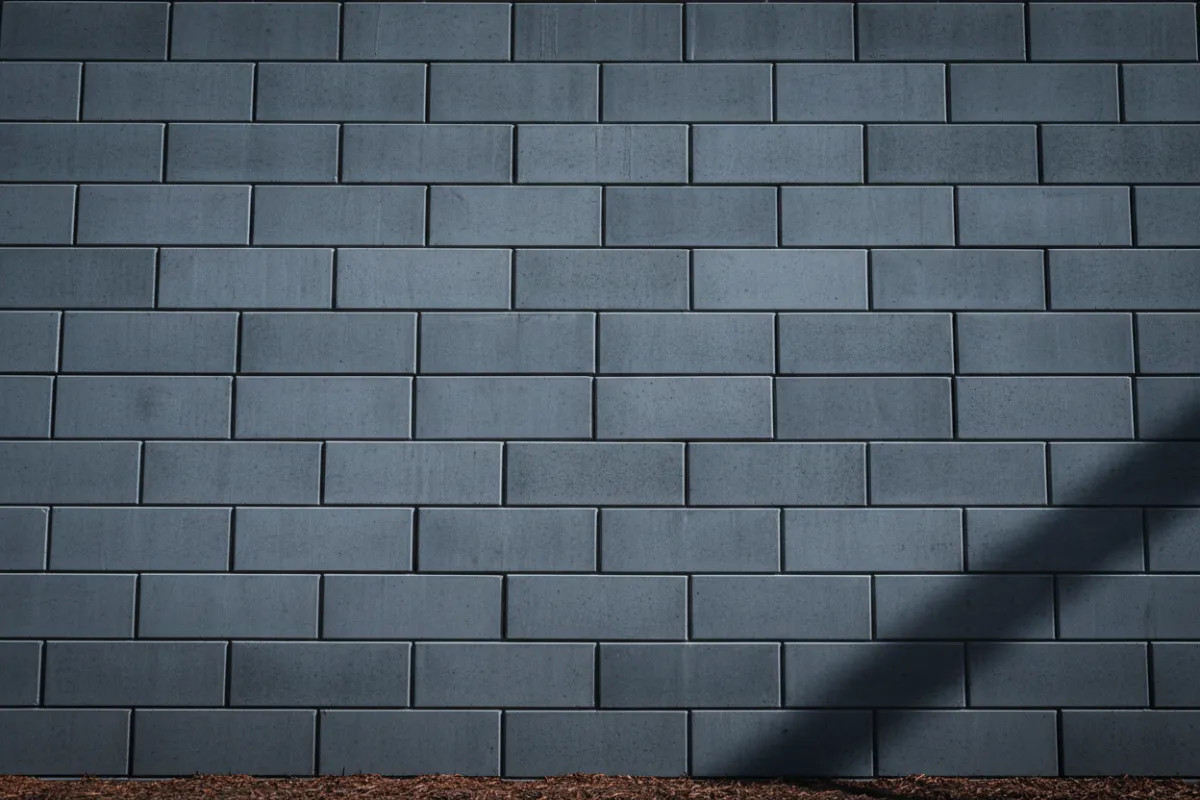
See the difference proper engineering and masonry make. Browse our recent structural corrections.
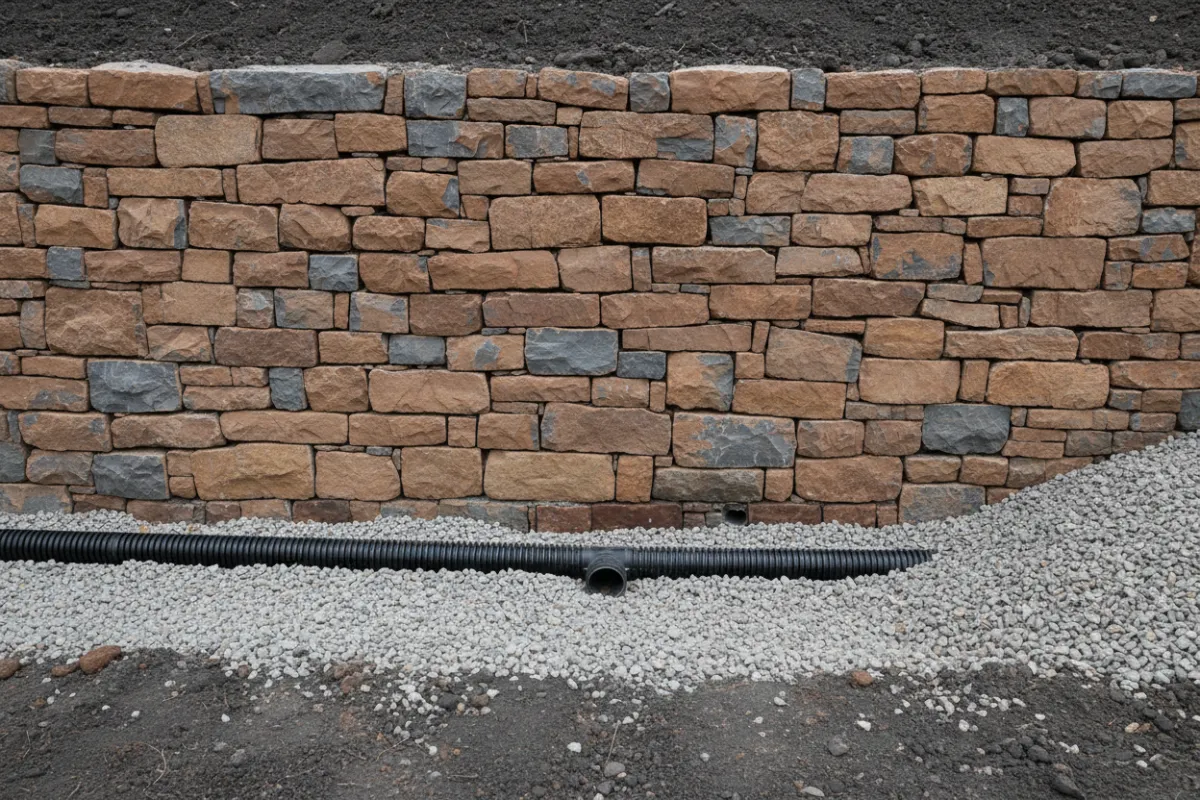
EXPERT ANSWERS
What are the earliest warning signs a retaining wall is failing?
Early signs include small cracks between blocks, slight forward lean visible from the side, and water pooling or staining near the base of the wall after rain. Catching these early typically allows for a smaller, less expensive repair than waiting until the wall visibly bulges or blocks shift out of place.
Will my wall need full replacement or can it be repaired?
This depends on the extent and cause of the damage. Localized settling or a small section of shifted blocks can often be repaired, while walls with widespread bulging or a compromised base typically need full replacement to correct the underlying drainage or foundation issue.
How much does retaining wall repair typically cost compared to replacement?
Repair costs vary significantly based on the scope, but typically start at a fraction of full replacement. We provide clear, itemized estimates after excavating and assessing the actual condition of the backfill and drainage behind the visible face.
NEED A PROFESSIONAL EYE?
Don't wait for a complete collapse. Get a clear, honest answer on whether your wall needs localized repair or a full structural rebuild.
SECURE YOUR WALL TODAY
Catching the problem early can save you from a costly full replacement.
Our structural inspection uncovers what is happening beneath the surface, identifying drainage failures and backfill issues before the wall collapses.
Honest assessments. No unnecessary replacements.
Structural integrity and heavy-duty hardscape engineering for Louisville's toughest retaining wall challenges.
SERVICES
- Retaining Wall Installation
- Grading & Drainage
- Wall Repair & Replacement
AREAS SERVED
- East Louisville
- Oldham County
- Surrounding Areas
CONTACT
(555) 123-4567
[email protected]


© 2026 Louisville Hardscape. All rights reserved.